Table of Content
- How To Install Hurricane Straps and Ties (9 Steps to Meet Code)
- Maximum Airflow Design
- What is the difference between a Heat Recovery Ventilator (HRV) vs Energy Recovery Ventilator (ERV)?
- Heat Recovery Ventilator
- Healthy Climate® Heat Recovery Ventilator (HRV)
- How much does an HRV or ERV system cost?
- Using Shelly Plus 1 for my HRV
The technician who visited was very thorough, polite and knowledgeable on what he was doing. Very respectful to my family and house around safety and personal protective gear. Technician was very professional and took the time to explain the correct use of the system which had never really been done by previous serviceman. Our all-new AirSense™ WoolCare™ filter was developed for HRV by our partner NanoLayr.
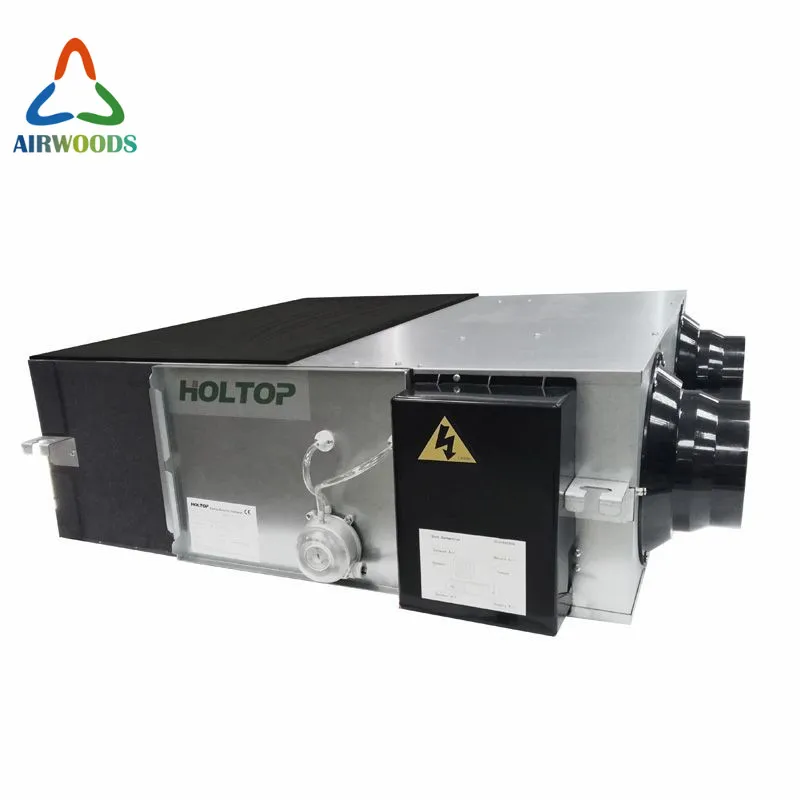
An HRV provides a constant supply of fresh filtered air for the building’s occupants. The higher the heat recovery percentage, the greater the comfort. Less efficient HRV systems can supply fresh air to living spaces at uncomfortable temperatures. As a result, occupants turn off the unit or use it intermittently.
How To Install Hurricane Straps and Ties (9 Steps to Meet Code)
These ducts extract stale and stuffy air from the room and replace it with fresh outdoor air. HRV and ERV systems are often used in cold climates to help keep homes warm and ventilated in winter, and they are highly effective in these situations. However, they can also offer energy savings in hot climates because they can reduce the burden on your air conditioner and lower your cooling bills. During a hot and humid summer, the ERV will prevent moist exterior air from entering your home.
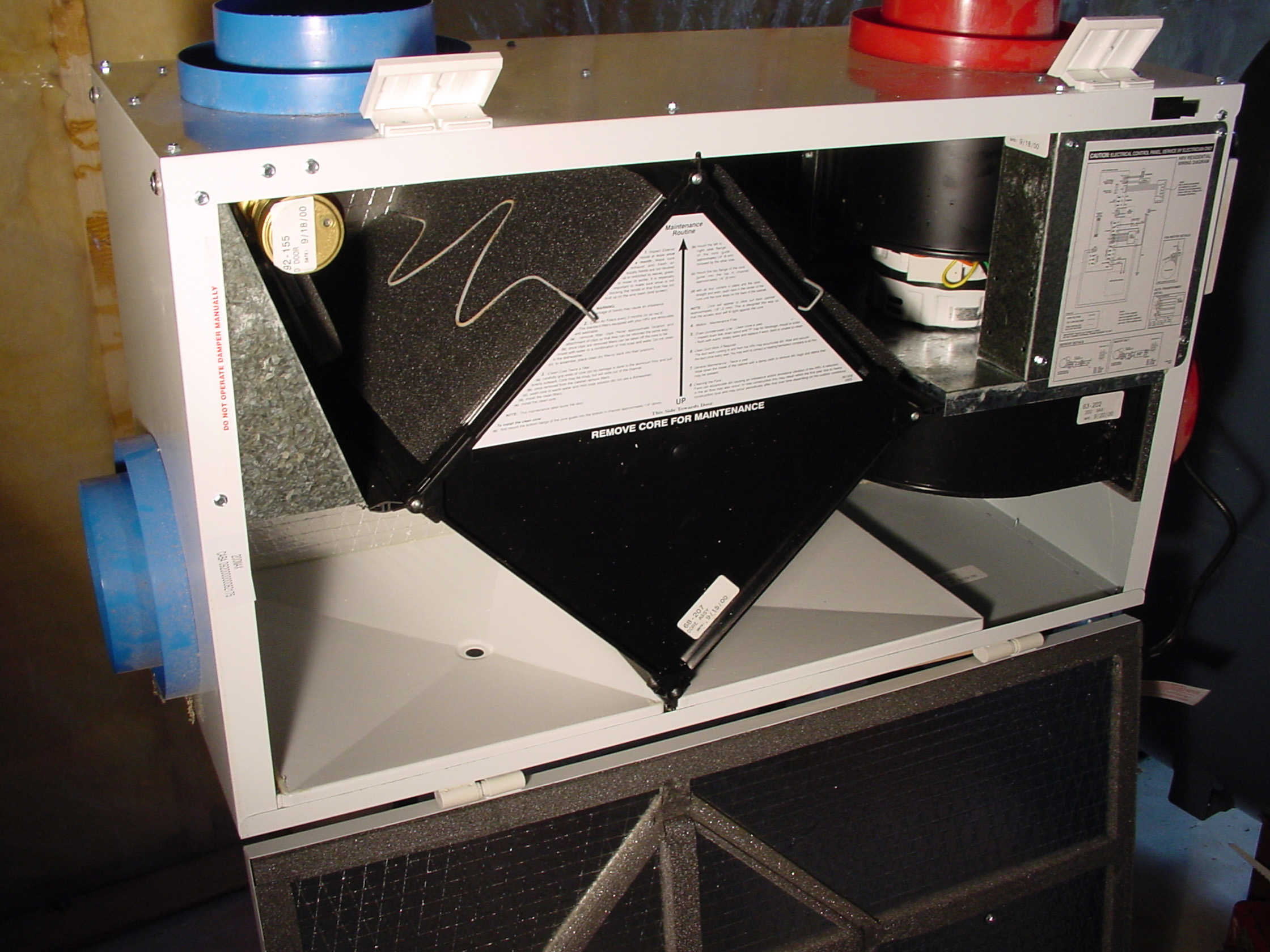
Thus, an HRV system will also help control condensation in your home. In addition, reducing relative humidity levels will minimize the risk of mold growth, dust mite infestation, and other common moisture-related issues. This ventilation and heat transfer process also impacts the level of humidity in indoor air. For example, when cold air is warmed, it decreases relative humidity because hot air can hold more water molecules.
Maximum Airflow Design
So it goes without saying that proper use and maintenance are crucial in ensuring that you have fresh, healthy in-home air year round. Make sure to wipe out the HRV unit every time you access it, as significant amounts of dust and debris can build up over time. An HRV system only deals with heat transfer, while an ERV transfers both heat and humidity. However, you’ll have to find a way to provide heating if you plan to spend time in an off-grid cabin, especially in the colder months. The HRV system will keep your home cozy, clean, and well-ventilated throughout the year, regardless of outside weather.
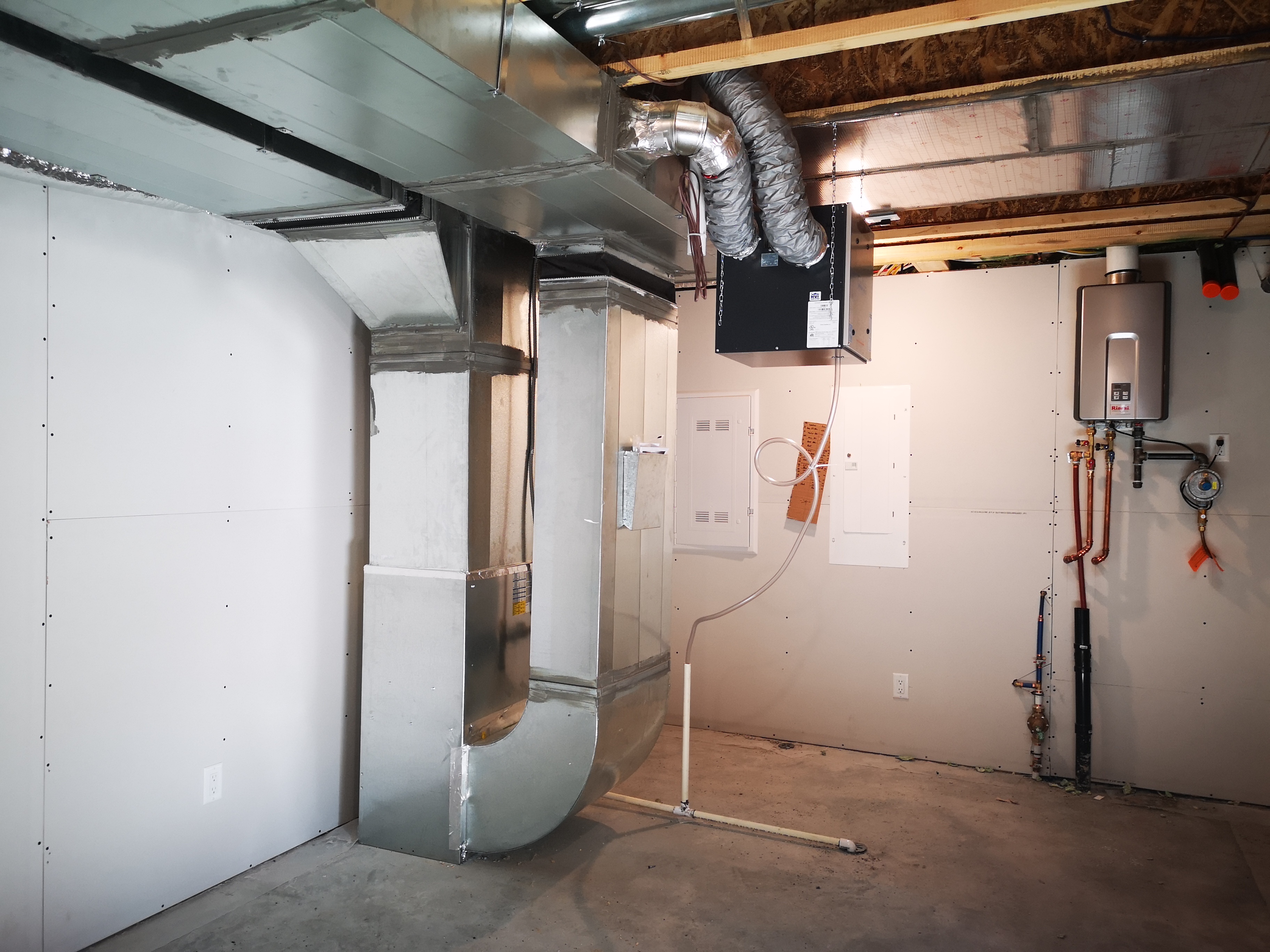
For complete ventilation, the American Society of Heating, Refrigerating and Air-Conditioning Engineers recommends replacing indoor air with at least 15 CFM per occupant. Sizes and lengths of ductwork runs can affect efficiency, so it’s important to work with a contractor when planning a system. Though whole-house systems are installed primarily in new houses, they can be retrofitted into some houses that have good access for ductwork, particularly those with unfinished basements.
What is the difference between a Heat Recovery Ventilator (HRV) vs Energy Recovery Ventilator (ERV)?
Instead, crimp it yourself, one fold at a time, using needle nose pliers. Think the HRV location issue through and give yourself a day or two to consider several options before choosing a final spot. The least important location feature is access to electricity. Adding a new outlet nearby is better than having long ducts or a long drain line. In Canada, the ventilation capacity is prescribed according to the type and number of rooms to take into account the activity of the occupants rather than the dimension of the living space.
Over a period of time, older homes began to sport new, tight windows and doors, insulation and vapor-barrier improvements, modern siding, and caulk for every crack through which air might pass. New homes left the drawing board designed to be tight, and builders became familiar with the new materials and skills needed to meet market demand and updated regulations. What some began to wonder, though, was whether they were habitable. While necessity may be the mother of invention, it's increasing costs that spawn efficiency. Before the '70s, we happily cranked up the thermostat when the house felt chilly.
Heat Recovery Ventilator
This negates the need for the humidifying features of an ERV. However, in the central parts of the US, climates are a little milder, with less frequent extreme conditions. In these areas, it’s not necessarily crucial to have one or the other.
Drier, filtered air from your roof space delivered to living areas. Dust, pollen, mould spores and particles down to a fraction the size of a human hair stay outside, thanks to our five-layer filter. We’ve reengineered our market-leading patented technology to deliver drier air more efficiently to every room in your home, keeping things fresh all year round and driving out stale, damp air. 1Based on a scientific study of 15 New Zealand homes conducted by Unitec Institute of Technology on behalf of HRV during winter and spring 2021. Results may vary depending on design and geographic location of a home. Heat recovery systems are, indeed, a very important component of the home.
Some HRVs mount like a room air conditioner in a window or wall opening. These are meant to handle individual rooms that have ventilation problems such as bathrooms, laundry rooms, artist’s studios, and darkrooms. According to the price list of GasExperts.ca, the cost of a residential HRV air exchanger unit ranges from $750 to $2500 with an average of $1200. ERVs are slightly more expensive and range from $700 to $2900 and an average of $1350. An HRV should be cleaned once a year at the end of summer and the filters should be cleaned every 3 months.

Based on this, suggestions are provided for an age-appropriate interface for smart homes and a reference for precisely tailored products. The development of intelligent technology and changes in information technology, on the one hand, tend to make some activities more engaging and more efficient. On the other hand, new technology is not intuitive to older persons, who are the most socially disadvantaged group. The digital divide is further distancing elderly users from modern society, leading to inconveniences and difficulties in their lives. In the post-epidemic era, mobile health products, such as those involving intelligent interface interactions, are difficult to use for older users and are inconvenient for travel .
The installation went smoothly and it was done in a few hours. I have the water filter and HRV and I'm very pleased with the products as well as the service provided by HRV. Another common setting is the maximum relative humidity setting. This is a handy feature when you want to make sure it doesn’t get too humid in your house. Just set the control panel to your preferred relative humidity.
HRV work closely with NanoLayr to produce the next-gen of HVAC filters for Kiwis. HRV home ventilation is an independently evaluated BRANZ Appraised product. From the happy helpful salesman, to the super efficient installers.
And, an HRV contains filters that keep particulates such as pollen or dust from entering the house. You will, though, find your energy bill going up slightly to pay for replacing the heat that isn't recovered. An average HRV installation can run from $2000 to $2500, but costs will vary widely depending on the specific situation. Any hole, even a small one, will allow warm, moist air to make its way to the cold pipe surface inside. And if this happens, water will condense out of the air and soak the fiberglass insulation. The most likely place for a vapour barrier breach on insulated duct occurs at the ends.


No comments:
Post a Comment