Table of Content
A Heat recovery ventilation System has some main parts as following, but it can consist of other components according to the required application.
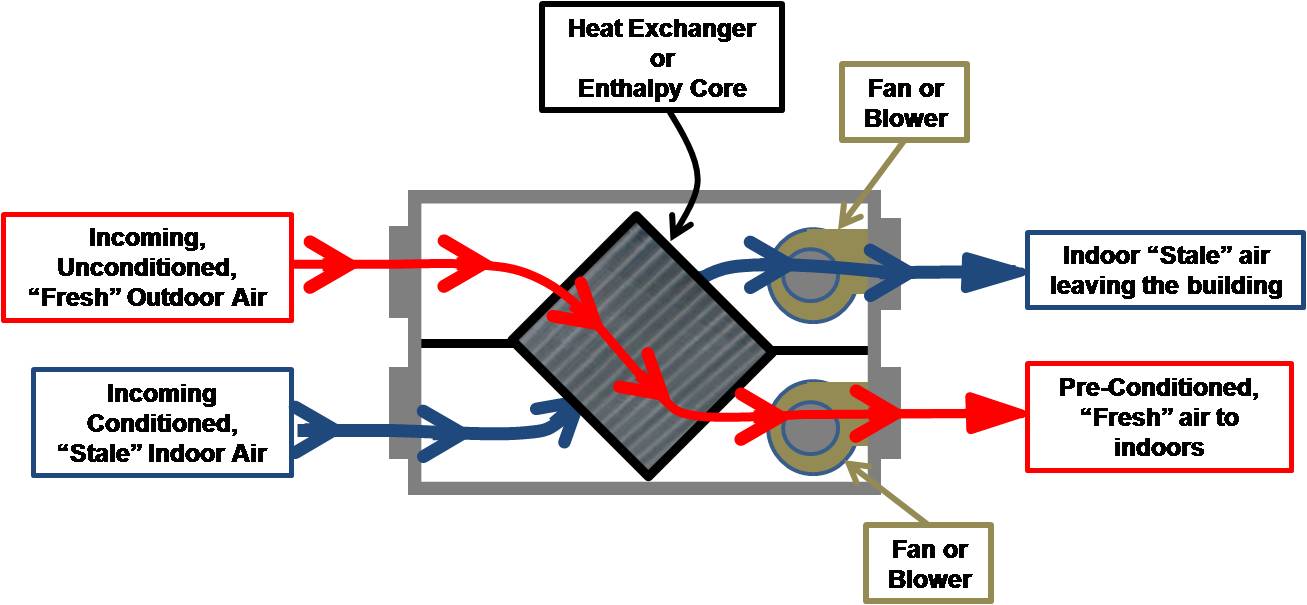
Scott Home Inspection provides integrity-based home inspections, energy assessment services, and rental inspections to help Colorado families live in safe, healthy, and comfortable homes. When it comes to sizing an air conditioner, you have probably heard that it’s not a good idea to install a unit that has more capacity than what’s required. Therefore, it would be best to shut your doors and windows, seal any leaks in your building envelope, and rely solely on an HRV system for fresh, outdoor air, especially during extreme weather conditions. But what makes the HRV genuinely unique is its heat-exchanger core, which can transfer heat from the incoming air to the outgoing and vice versa, depending on your needs. However, while heat is shifted from one airstream to another, the outgoing and incoming airstreams never actually mix. Single-room HRV systems can be ideal for controlling humidity in bathrooms and kitchens, especially if these rooms don’t have functional or existing vents to remove excess moisture.
The Importance of Ventilation in Modern Homes
Generally, a domestic HRV system could cost between £2,000 and £7,000 according to the amount of work required and the size of the sections. The cost of the heat recovery ventilation unit is one sight, but the installation operation is usually complex and often harder than other renewable technologies. As the air enters through the roof, it passes within the heat exchanger. They include two ventilation channels operating near one another, moving between the inside and the outside of a home. One transfers fresh, cold air in; the other carries humid, old air out.
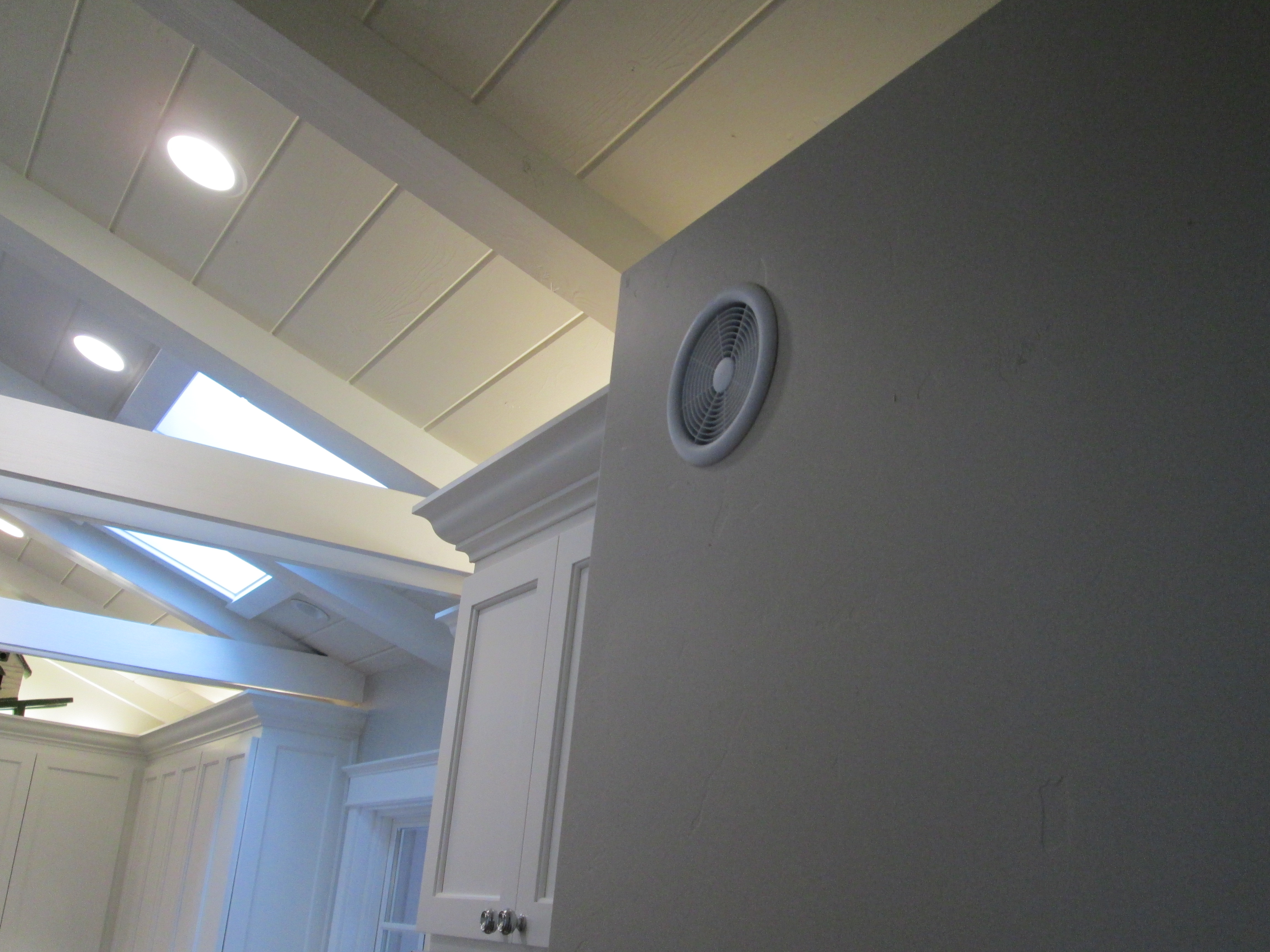
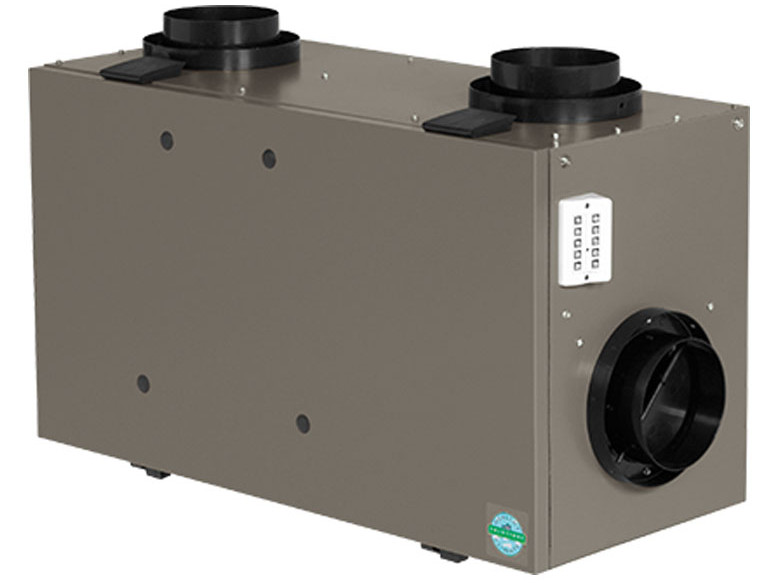
Some HRVs mount like a room air conditioner in a window or wall opening. These are meant to handle individual rooms that have ventilation problems such as bathrooms, laundry rooms, artist’s studios, and darkrooms. According to the price list of GasExperts.ca, the cost of a residential HRV air exchanger unit ranges from $750 to $2500 with an average of $1200. ERVs are slightly more expensive and range from $700 to $2900 and an average of $1350. An HRV should be cleaned once a year at the end of summer and the filters should be cleaned every 3 months.
Heat Recovery Ventilator Installation Considerations
Informed consent was obtained from all subjects involved in the study. Written informed consent has been obtained from the patients to publish this paper. The study was conducted in accordance with the Declaration of Helsinki, and the protocol was approved by the Ethics Committee of Nanjing Forestry University. Time-domain HRV analysis evaluates heart-rate variability by calculating a series of mathematical and statistical indicators of the R-R interval, revealing the pattern of signal changes over time. The time-domain indicators mainly correspond to the magnitude of sympathetic and parasympathetic tone and thus to the overall degree of activation of the autonomic nervous system.
They run in the same way as a refrigeration device and can be utilized for both warming and cooling the air like an HRV system. There are several different diversities, and they can extract heat from the external air as well as from the ground through the utilization of a network of pipes. Table 6.HRV data for subjects of different genders in Task 1. Ramadan, R.; Huang, Q.; Bamisile, O.; Zalhaf, A.S. Intelligent home energy management using Internet of Things platform based on NILM technique. Liu, R.; Yan, X.; Ma, S.; Xue, Q. Eye movement as a function to explore the effects of improved signs design and audio warning on drivers’ behavior at STOP-sign-controlled grade crossings.
Ventilation Strategies for Passive House Certification
And a solution that’s awesome for Auckland might not cut it in Christchurch. Our Home Solution Generator takes just three minutes and gives you heating, cooling and ventilation options. We no longer have mould on our bathroom windows, and all our windows in the house are consistently dry. We know that by having HRV in our home, it has also added resale value as we can honestly say our home is warm and dry.
Zehnder ventilation experts are available to help design the best system for a given project, including sizing the HRV system and laying out the ducts. Builders and HVAC professionals appreciate that Zehnder offers technical support, making the systems easier and quicker to install, even for professionals who aren’t experienced in HRV installation. An HRV is an effective way to ventilate a very “tight” (well-insulated) house experiencing high energy prices. A tight house collects more humidity and pollution than one with a lot of air infiltration. If a house has excess infiltration through leaky windows and a poorly insulated shell, air flow bypasses the heat exchanger, negating its work.
What is a heat recovery ventilator (HRV) system?
If you own a newer home, it is likely equipped with an HRV or an ERV system. That is because these systems are crucial in maintaining in-home air quality. Nowadays, homes are built to meet high energy efficiency standards. They are constructed in an airtight manner, in order to keep conditioned air from leaking out of the house and unconditioned air from making its way into the house. The HRV system reduces the load on your furnace and air conditioner by transferring heat from the outgoing air to the incoming air during the winter. According to a US Environmental Protection Agency report, indoor air contains between 2 to 5 times more pollutants than outdoor air.

In summer, especially when air conditioning has been running, the air outside is much more humid and running the HRV will bring this humidity into your home and remove cool, dry air. This is the opposite of what it’s designed to do, so the best approach is to set it to the highest percentage or shut it off. To avoid excessive indoor humidity in the summer (if the process of air conditioning isn’t sufficient or available), it is recommended to use an ERV or separate dehumidifier.
This is a concern because, without the constant ventilation, indoor air quality will suffer. According to international reports worldwide, 15-25% of heat loss from buildings is made happen by air leaking out of the building. Heat Recovery Ventilation proposes a method to bring fresh air into your home without allowing the heat runaway. Not only this is big trouble for the environment, but also heating an unsealed house needs more cost and time. The house heat recovery ventilation system operates without interruption to provide new, filtered air to inhabitable rooms and extracts stale air and moisture from wet rooms like bathrooms.
Immediate or delayed allergic reactions can be triggered by touching or breathing in mold or mold spores. These reactions include sneezing, a runny nose, red eyes, an asthma attack, and a weakened immune system. Indoor air pollution can be especially concerning for people who have chronic diseases, compromised immune systems, or mold or chemical sensitivity. Balanced ventilation solution removes excess moisture, odors, and contaminants while conserving energy and enhancing comfort. Note the opened sheet metal ducting placed around the flexible insulated duct to support it. That’s why you should consider installing a rigid shield over the duct whenever possible.
During summer, on the other hand, it transfers heat from the incoming outdoor air to the outgoing indoor air so that the fresh air has cooled down somewhat before it is introduced into the living space. This cooling saves a lot of energy by recycling the existing heat. HRV and ERV systems aren’t typically practical in mild climates, especially if you don’t have a furnace to heat your home in winter or an air conditioner to cool it in summer. These systems are far more practical for homes that experience high humidity in winter or summer. Proper HRV system design, modeling, layout, sizing, and commissioning are important for the best HRV function and perdurability. It is vital that the heat recovery ventilation and HVAC systems are a part and do not share the channels of ductwork.

Table 4.Variation in pupil distance between subjects of different genders during complex task interaction. Salman, H.M.; Ahmad, W.F.W.; Sulaiman, S. A design framework of a smartphone user interface for elderly users. In the search task for interface 1, the hotspot map shows that female subjects were more likely to be attracted to the rest of the interface, combined with the trajectory map.
HRVs are best suited for larger families that tend to cook and clean often. They’re also good for smaller and medium homes where moisture can build up in the air. Outdoor air is filled with pollutants like smoke, harmful gasses and emissions, allergens, mold, insects, and more, but HRV and ERV systems filter out these contaminants so they can’t get into your home.


No comments:
Post a Comment